

Bridging the Digital Divide in Education Technology
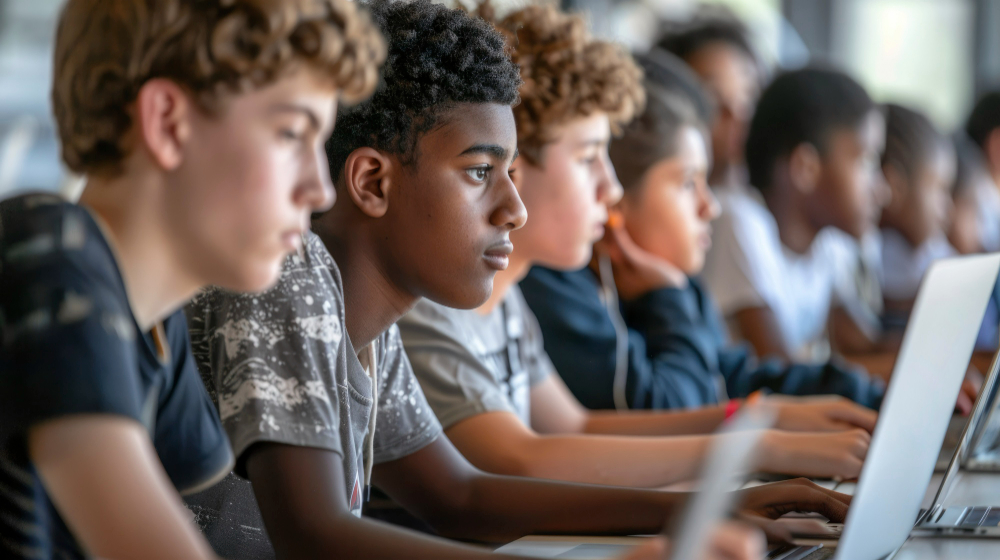
The digital divide remains a critical issue affecting education, creating barriers for many students who lack access to modern education technology. With the increasing shift toward online learning and the integration of digital resources, students with access to devices and the internet are at a significant advantage. Unfortunately, students who lack these resources are falling behind, and this disparity highlights the urgent need for equal access to education technology. Addressing this divide is essential to ensuring that every student has the opportunity to succeed in the digital age.
What is the Digital Divide?
The digital divide refers to the gap between individuals or communities that have access to modern information and communication technology, such as the internet and digital devices, and those who do not. This divide is often most pronounced among students from low-income families, rural areas, or disenfranchised communities. While many students grow up in environments with access to fast internet and cutting-edge devices, others are left behind with outdated technology or no access at all.
This gap in access not only hinders the academic success of disadvantaged students but also limits their opportunities to develop the skills necessary for the digital workforce. The lack of access to education technology can have a long-term impact on students’ futures, making it harder for them to compete in a world that is increasingly driven by technology.
Why the Digital Divide Needs to Be Closed
-
Universal Access to Learning Materials
Every student deserves access to the resources that can help them study effectively. In today’s education landscape, access to digital tools is essential for engaging with learning materials, attending virtual classes, and collaborating with peers and teachers. Bridging the digital divide ensures that all students can access these essential resources, regardless of their socioeconomic background. -
Closing Learning Gaps
Modern education technology enables students to engage with learning materials in innovative and interactive ways. By utilizing digital tools, students can participate in collaborative projects, access educational videos, and complete assignments more efficiently. Failing to provide equal access to these technologies only widens the gap between students from different socioeconomic backgrounds, leaving some students with fewer opportunities to succeed. -
Career Readiness
Education technology is crucial for preparing students for future careers. In the digital age, proficiency in using technology is necessary for success in almost every field. Whether students are pursuing higher education or entering the workforce, the ability to use digital tools and access information online is essential. Bridging the digital divide ensures that all students are equipped with the necessary skills for success in an increasingly tech-driven world.

Ways to Bridge the Digital Divide in Education Technology
-
Low-Cost Internet Programs
One of the most effective ways to bridge the digital divide is to ensure that vulnerable communities have access to affordable internet services. Government programs, such as the Affordable Connectivity Program (ACP) in the US, work with internet service providers to offer low-cost internet to low-income families. By expanding these programs, we can ensure that all students have the internet access they need to participate in online learning and access educational technology. -
Device Distribution Initiatives
Many schools and charitable organizations have set up programs to provide devices to students who cannot afford them. Programs that distribute laptops, tablets, and Chromebooks to disadvantaged students can help close the technology gap. For instance, many school districts implemented 1:1 device programs during the COVID-19 pandemic, ensuring that each student had access to a device for remote learning. These initiatives are vital for ensuring that no student is left behind due to a lack of technology. -
Wi-Fi Access Points and Community Centers
For students in rural or underserved areas who lack internet access at home, setting up Wi-Fi hotspots in community centers, libraries, and public parks can provide a solution. These Wi-Fi hubs can allow students to access the internet for studying, completing assignments, and participating in online classes. In rural areas, mobile Wi-Fi units, such as Wi-Fi buses, can provide internet access to students who live in areas with limited connectivity. -
Digital Literacy Training
Access to education technology is not enough if students, parents, and teachers are not equipped with the skills to use these tools effectively. Offering digital literacy training can help students and their families navigate online learning platforms, use educational software, and access online resources. This training can help bridge the gap in technology proficiency, ensuring that all students are prepared to use education technology to their advantage. -
Government Policies and Strategies
Government policies play a key role in closing the digital divide. Programs like the US’s E-Rate assistance provide discounted internet services to schools and libraries, making it easier for educational institutions to offer students access to the technology they need. By pushing for more education-centric policies and strategies that focus on increasing access to education technology, governments can help ensure that all students, regardless of their background, have the resources they need to succeed. -
Public-Private Partnerships
Collaborations between government, educational institutions, and technology companies can help close the digital divide. Companies like Google, Microsoft, and Apple offer programs to support technology access in schools and provide free or discounted devices and software to students. These public-private partnerships can be instrumental in making education technology more accessible to all students, especially those from disadvantaged backgrounds.
The digital divide is a pressing issue that affects the future of education. With the increasing reliance on education technology for learning, communication, and collaboration, it’s essential that we ensure equal access to these tools for all students. Bridging the digital divide requires collective efforts from governments, schools, and technology companies to provide affordable internet access, distribute devices, and offer digital literacy training.
By addressing the digital divide, we can ensure that no student is left behind in the digital learning age. Access to education technology is not just a matter of equity; it’s about justice, inclusion, and the future of learning. Closing the digital divide will create a more equal educational landscape, where every student has the tools they need to succeed, regardless of their background.



 Welcome to this vibrant corner of the internet—"Dreamy Grace!" This lifestyle blog is a space for inspiration, creativity, and connection. Feel free to explore, engage, and share your thoughts—after all, this blog is just as much yours as it is ours. Happy reading!







Leave a Comment