

Decentralized Identity Systems: Empowering Users with Digital Privacy
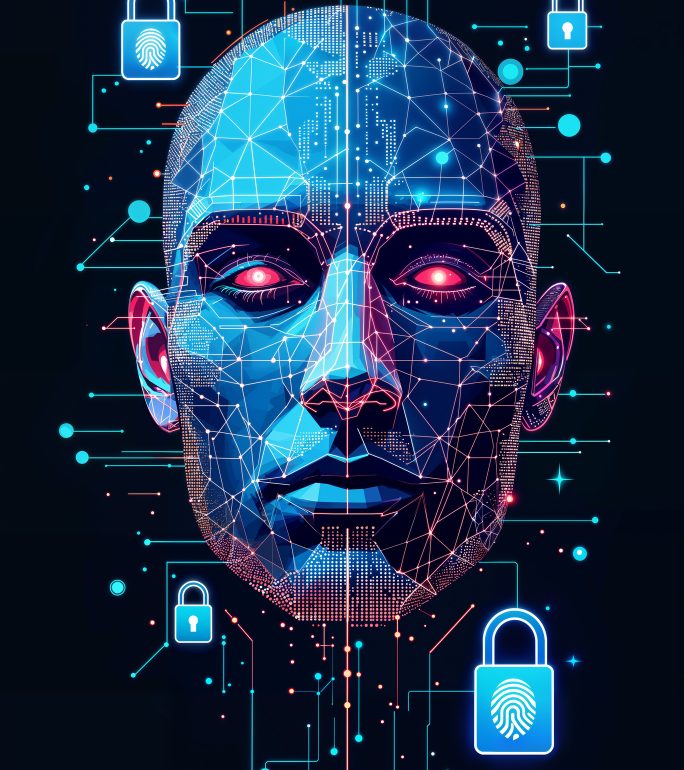
In a world where data breaches, identity theft, and privacy violations are becoming all too common, the need for a more secure and user-centric approach to digital identity is critical. Decentralized Identity Systems (DIS) are emerging as a powerful solution, shifting control of personal information from centralized databases to the individuals themselves. This shift promises a future where users can safeguard their privacy while maintaining control over their digital identity. But how exactly does this system work, and why is it so important?
What Are Decentralized Identity Systems?
At its core, a Decentralized Identity System (DIS) is a method of managing digital identities where the users, rather than a central authority, have control over their personal data. Unlike traditional identity systems where large organizations hold and control user information, decentralized identity places the responsibility and control back into the hands of the users. This is made possible through the use of blockchain technology, a decentralized and immutable ledger, combined with cryptographic techniques to ensure security and privacy.
A key component of DIS is the concept of self-sovereign identity (SSI). In this model, users have a unique digital identity that they control, allowing them to securely store, manage, and share their personal data on their terms. Blockchain provides a transparent, tamper-resistant system that ensures the authenticity of the identity without the need for a trusted third party.
How Do Decentralized Identity Systems Work?
Traditional identity systems rely on centralized databases to store personal data. These databases, whether held by governments, financial institutions, or social media companies, are prime targets for cyberattacks. Hackers often breach these databases, gaining access to sensitive user information such as names, addresses, social security numbers, and more.
In contrast, decentralized identity systems store personal data across multiple nodes in a distributed network. This structure makes it much harder for hackers to compromise user information, as there is no single point of failure. Furthermore, because the information is encrypted and only shared with trusted parties, users have greater control over what data is exposed.
To access a decentralized identity, a user typically interacts with a digital wallet that holds their credentials. This wallet uses cryptographic keys to authenticate and verify the identity of the user. When the user needs to share certain data, such as proof of age or medical history, the information is shared selectively and securely. Only the relevant data is disclosed, minimizing the risk of oversharing personal information.
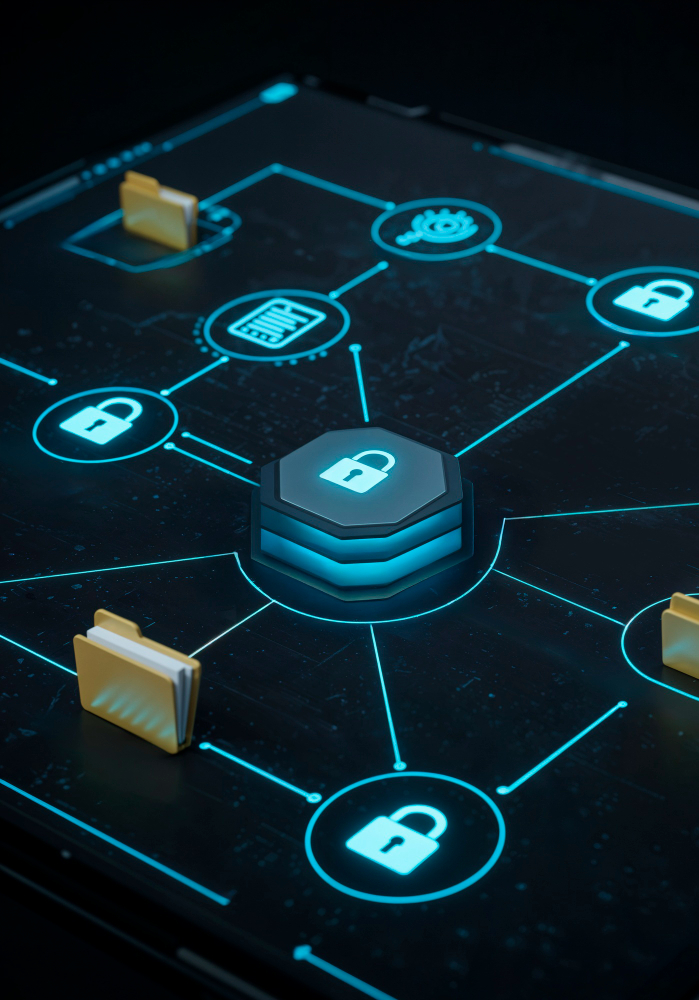
Benefits of Decentralized Identity Systems
-
Enhanced Security
One of the primary advantages of decentralized identity systems is their increased security. Traditional identity systems often rely on passwords, usernames, and other forms of verification that can be easily compromised. With decentralized identity, users rely on secure cryptographic keys, reducing the likelihood of identity theft. -
Greater Privacy Control
In a decentralized identity model, users maintain full control over their personal information. Rather than relying on a central authority to store and manage sensitive data, individuals decide what information to share and with whom. This significantly reduces the risk of unwanted data exposure and enhances user privacy. -
Reduced Risk of Data Breaches
Since data is not stored in a central database, the risk of large-scale data breaches is greatly diminished. Even if one part of the network is compromised, the rest of the information remains secure. This offers peace of mind to users concerned about the increasing frequency of data breaches affecting traditional systems. -
Simplified User Experience
Traditional identity management often requires users to remember numerous usernames and passwords for different services. With decentralized identity systems, users can log in to multiple platforms using a single set of credentials, reducing the complexity of managing digital identities. This not only makes online interactions easier but also helps prevent issues like password fatigue. -
Interoperability Across Platforms
Decentralized identity systems are built on open standards and protocols that allow them to work across a variety of platforms and industries. Whether it’s healthcare, finance, or e-commerce, decentralized identity enables users to interact with multiple services seamlessly while maintaining control over their data.
Real-World Applications of Decentralized Identity
Decentralized identity systems are not just theoretical concepts—they are already being implemented in several industries to solve real-world problems.
-
Healthcare:
In healthcare, patients can store their medical records in a decentralized system, allowing them to share their health information with doctors, hospitals, and specialists on a need-to-know basis. This ensures better privacy and security while streamlining healthcare services. -
Finance:
In the financial sector, decentralized identities can simplify Know Your Customer (KYC) processes. Users can prove their identity without repeatedly submitting documents to multiple financial institutions, reducing friction in international transactions while enhancing privacy. -
E-commerce:
In e-commerce, decentralized identities can verify a user’s age and prevent impersonation without exposing sensitive personal details. This is especially important in online transactions where age verification is required for purchasing certain products, such as alcohol or age-restricted media.
Challenges and the Road Ahead
Despite its promising potential, decentralized identity systems face several challenges. One major hurdle is interoperability. For a decentralized identity system to be truly effective, it needs to work seamlessly across various platforms and regions. This requires the establishment of universal standards and protocols.
Additionally, the legal and regulatory landscape surrounding decentralized identities is still in its early stages. Governments and organizations need to collaborate on developing laws and frameworks that govern the use of decentralized identities while ensuring that user privacy is upheld.
Conclusion
Decentralized identity systems represent a major shift in how we approach digital privacy and security. By returning control of personal data to users, these systems promise a future where individuals can safely navigate the digital world without sacrificing their privacy. As adoption grows and technical challenges are overcome, decentralized identity could become the cornerstone of a more secure, privacy-respecting internet.
In a time when data privacy is under constant threat, the power of decentralized identity systems cannot be overstated. These systems not only provide greater protection against cyber threats but also pave the way for a future where users have complete control over their digital identities. It’s clear that decentralized identity is a key technology for the next generation of the internet—one that prioritizes privacy, security, and user empowerment.



 Welcome to this vibrant corner of the internet—"Dreamy Grace!" This lifestyle blog is a space for inspiration, creativity, and connection. Feel free to explore, engage, and share your thoughts—after all, this blog is just as much yours as it is ours. Happy reading!







Leave a Comment