

Digital Twins in Urban Planning: Designing Smart Cities
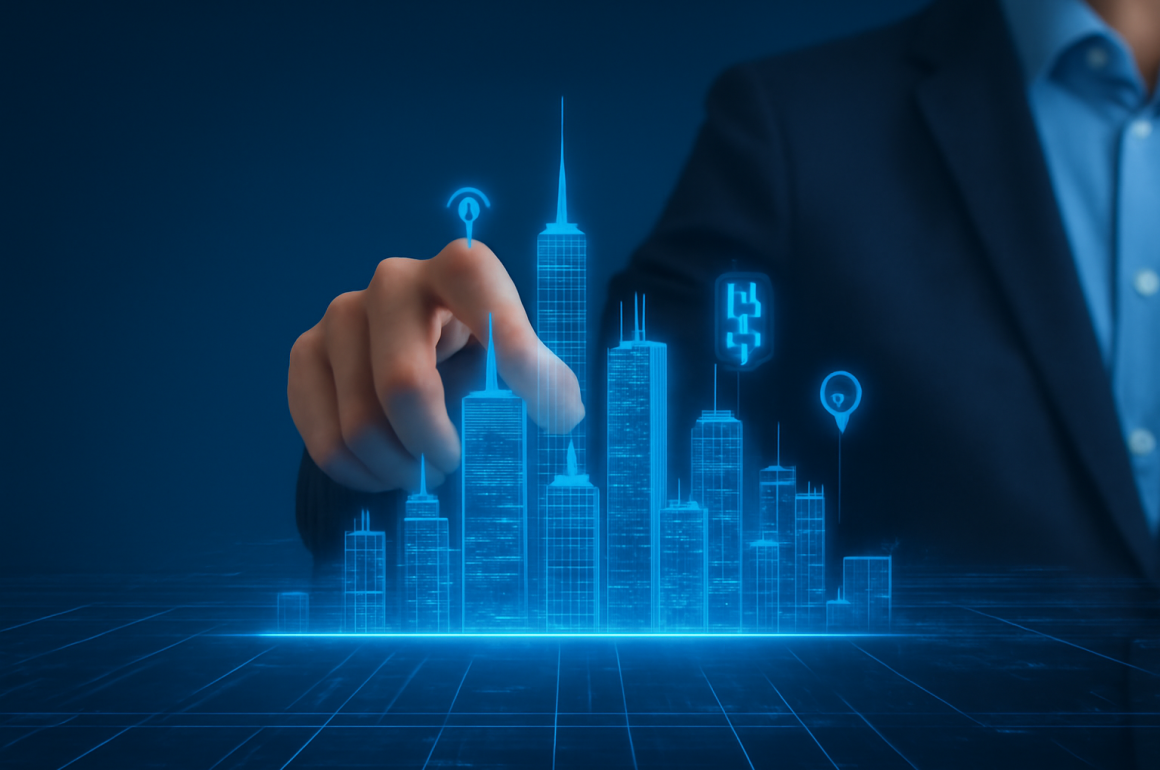
Digital twins are revolutionizing the planning, management, and optimization of cities, quickly becoming the very core of the cities of the future. A digital twin is essentially a real-time digital representation of a physical city or space, capturing specific infrastructure elements that are generated through data collected from IoT devices, sensors, and other technological systems. These digital models enable city planners and administrators to imagine urban areas as dynamic, moving three-dimensional figures that can be assessed, evaluated, and modeled. This innovation allows for anticipating problems, testing solutions, and coming up with alternative strategies to improve city life.
The technology behind digital twins enables real-time simulations of how cities function, offering a powerful tool for urban planners and decision-makers. Such virtual models allow cities to plan more efficiently by providing insights that go far beyond what traditional methods can offer. With these models, planners can monitor and analyze city infrastructure, traffic, energy systems, and environmental data in real-time, enabling better management and optimization of urban spaces.
Optimizing Urban Infrastructure with Digital Twins
Transportation, energy supply, and emergency services are among the broad spheres of urban life that are optimally managed using digital twin technology. One of the most notable uses of digital twins is in traffic simulation and modeling, where different traffic scenarios can be tested to reduce congestion and improve traffic flow. This ability allows city planners to design more efficient public transport systems, create optimized travel paths, and manage road networks without needing to physically modify infrastructure.
For instance, a digital twin of a city’s transportation network can help planners simulate the effects of adding a new bus route, changing traffic lights, or expanding a road. These virtual tests allow planners to explore various scenarios and identify the most effective solutions without real-world trials that may be costly or time-consuming. The same approach can be applied to energy grids. By controlling energy demand at zonal levels, cities can generate more efficient energy consumption patterns, reduce costs, and encourage the use of clean energy in the process, thereby supporting the green transformation of cities.
Environmental Monitoring and Disaster Management
Environmental monitoring and disaster management are among the most pressing use cases for digital twins in urban planning. Real-time environmental data such as pollution levels, water availability, and climate threats can be integrated into the digital twin systems of a city. This data enables cities to monitor their environmental health continuously and respond quickly to any issues that arise.
For example, digital twins can simulate scenarios where pollution levels rise above safe thresholds, allowing the city to implement mitigation strategies before a crisis develops. Similarly, in the event of natural disasters like floods, earthquakes, or hurricanes, digital twin technology can model various response strategies in real-time. This helps cities allocate resources efficiently, minimize damages, and ensure the safety of residents. In some instances, these virtual simulations have been used to test the resilience of infrastructure to extreme weather, providing planners with valuable insights on how to improve disaster preparedness and resilience.
These simulations not only enhance a city’s capacity to respond to disasters but also help cities become more sustainable by better managing resources and minimizing environmental impacts. Digital twins thus represent a fundamental building block for creating smart, sustainable cities that are equipped to deal with the challenges posed by rapid urbanization and climate change.
Promoting Community Engagement and Inclusivity
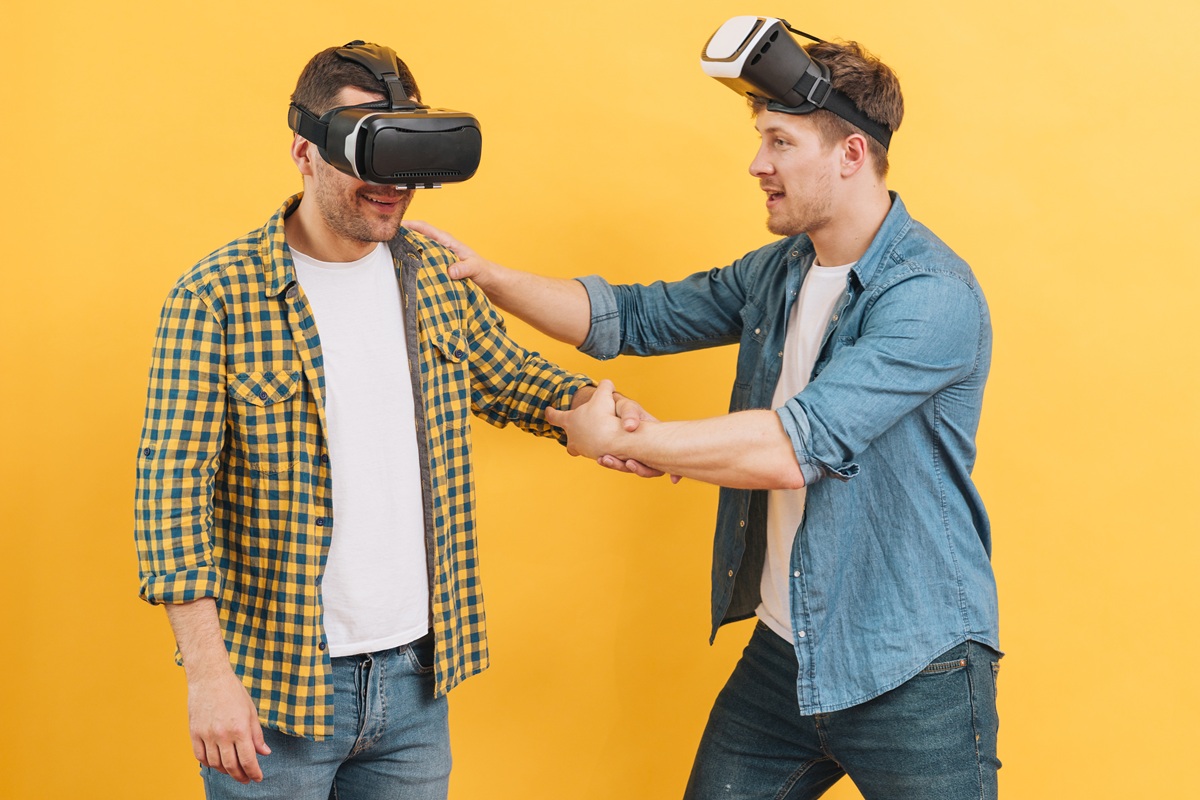
The use of digital twins also promotes greater community engagement and inclusivity in urban planning. By creating virtual models of new urban developments, cities offer residents a chance to visualize and understand upcoming changes in their communities. Local people can interact with these models, provide feedback, and even suggest changes during various stages of a project. This kind of bottom-up participatory planning fosters a sense of ownership and cooperation among city dwellers, leading to better urban designs that meet the needs of all stakeholders.
For example, when a new development is proposed, a digital twin can allow citizens to see how the project might impact their neighborhood—whether it’s changes in traffic flow, green space, or noise levels. This level of transparency and interaction encourages feedback and helps ensure that developments align with the community’s values and needs. It also fosters accountability among urban architects, planners, and city officials.
Challenges and the Future of Digital Twins
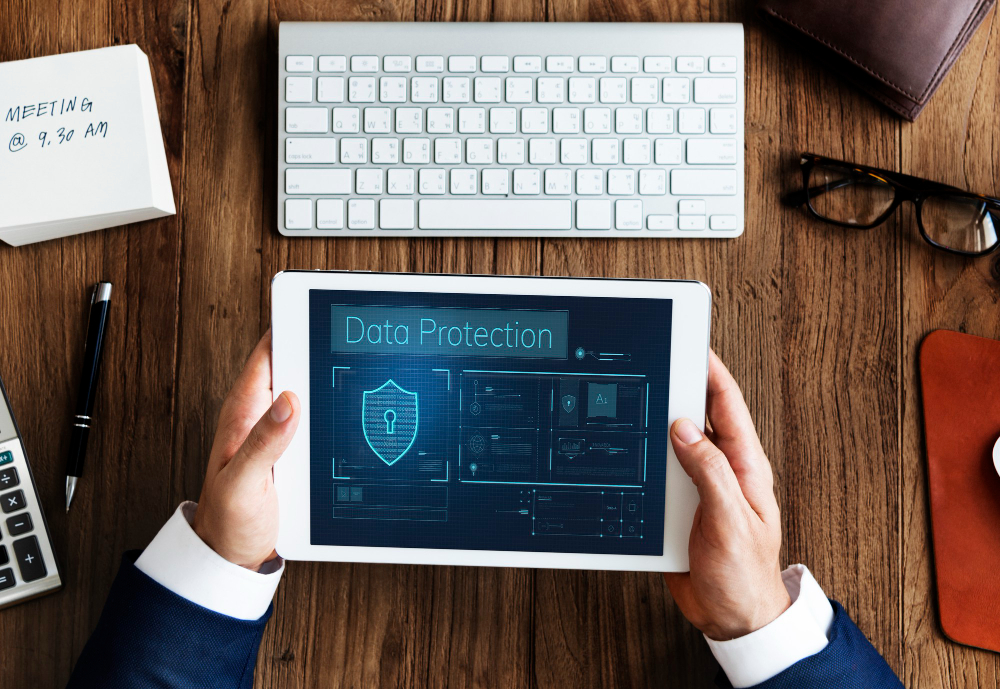
Despite their transformative potential, the widespread use of digital twins is not without challenges. Issues related to data privacy, integration difficulties, and cybersecurity are significant barriers that need to be addressed. The amount of data required to create accurate digital twins, combined with the complexity of integrating different data sources, presents logistical and ethical challenges. Furthermore, ensuring the security of this data is crucial, as it could be vulnerable to cyber-attacks that might jeopardize the functioning of city systems.
Nonetheless, as urbanization continues to accelerate around the world, the need for smarter, more efficient cities has never been greater. Digital twins are poised to play a central role in shaping the cities of the future, helping them evolve to meet the demands of growing populations, economic pressures, and environmental sustainability goals.
By leveraging this cutting-edge technology, cities can not only address current challenges but also plan for the future with a level of precision and foresight that was previously unimaginable. With continued development and investment in digital twin technology, we are on the cusp of building cities that are not only more efficient but also more resilient, sustainable, and adaptable to the needs of future generations.

 Welcome to this vibrant corner of the internet—"Dreamy Grace!" This lifestyle blog is a space for inspiration, creativity, and connection. Feel free to explore, engage, and share your thoughts—after all, this blog is just as much yours as it is ours. Happy reading!





Leave a Comment