

The Art of Light and Shadows: Secrets Behind the Photography
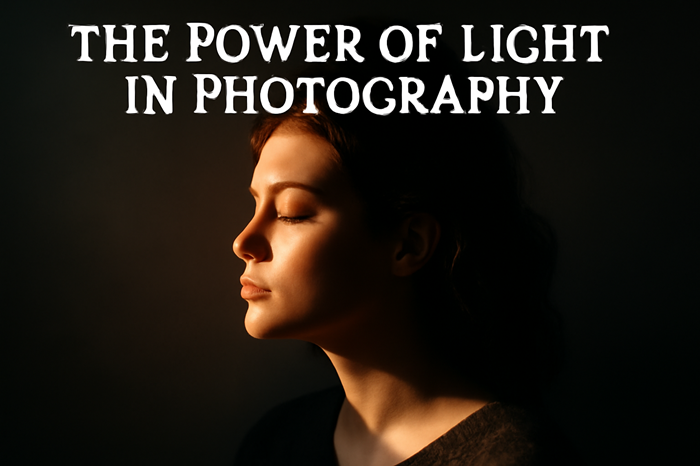
In photography, there is a constant exchange of light and shadows, without which, an image cannot be expressed. Be it a beautiful landscape during sunset or the deep shadows in the alleys of the city, it is essential to appreciate how shadows and light relate to each other when learning the craft of photography. Every photograph is an interpretation of reality, and understanding how light interacts with your subject allows you to create images that are not only visually appealing but emotionally compelling. The interplay of light and shadow can transform a simple scene into a work of art, emphasizing textures, patterns, and depth that the human eye often overlooks.
The Power of Light in Photography
Photographic photographs rely heavily on light as the primary medium since it provides tone, mood, and depth. Warm light from the sun’s rays in the early hours of the day can emit warmth in a picture, while the direct rays at noon can add glare. Learning to manage the aspects of light as well as its different forms has the potential to improve your images and elevate your photography to a professional level.
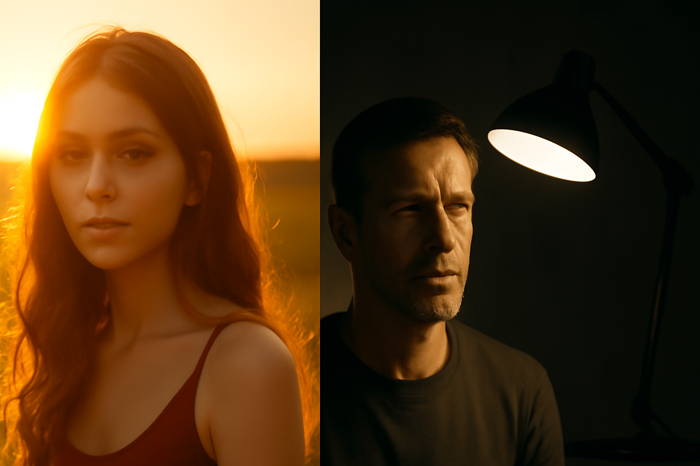
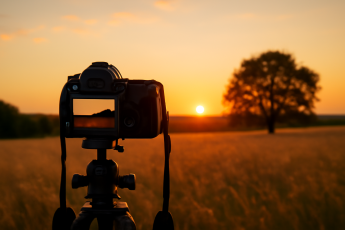
Golden Hour Light: A natural light source alters the beauty and colors of an image’s subject, which is why the delicate glow of golden lens flare right at the start or end of the day creates ideal conditions for portrait, nature, and landscape shots. Photographers often seek out these fleeting hours because they infuse photos with a warm, cinematic quality that is hard to replicate artificially.
Natural vs. Artificial Light: Natural light is excellent for creating dynamic and authentic images, but artificial light provides precision and control. Desk lamps, studio setups, or LED panels allow photographers to manipulate shadows and highlights to achieve their desired effect. Combining both natural and artificial light in photography opens creative possibilities that help tell a more vivid story through your images.
Directional Light: Placing the light source to the side or behind the subject adds depth and drama, while front-lit images guarantee even distribution of light but may appear slightly flat. In photography, experimenting with backlighting, rim lighting, and side lighting can reveal textures, emphasize contours, and create visual interest that draws the viewer into the frame.
Shadows: The Heart of Depth and Drama
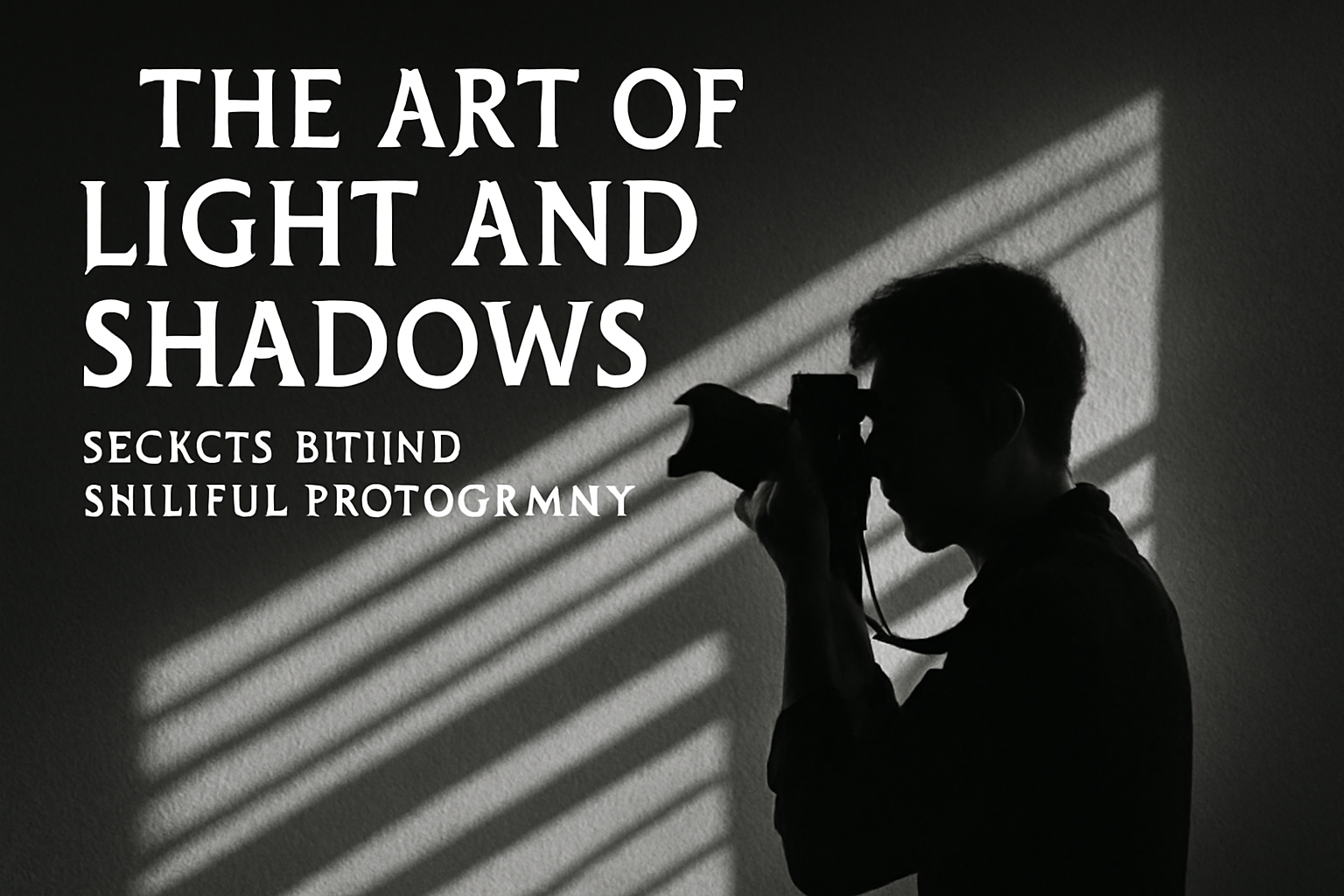
Shadows add the dimension that is essential to photography. They enhance contrast, define shapes, and introduce an element of mystery. Without shadows, images lose depth, and even the most striking composition can appear lifeless.
Shadow Play: Shadows can transform ordinary objects into extraordinary compositions. Light streaming through shutters or leaves casting patterns on a subject adds intrigue and uniqueness to photographs. Mastering shadow play is an advanced technique that elevates photography by turning light into a storytelling device.
Monochromatic Magic: In black-and-white photography, shadows take on a heightened role, providing contrast, texture, and depth. They help convey emotion and drama in the absence of color, making shadows a fundamental tool for photographers exploring monochrome imagery.
Techniques to Master Light and Shadows
-
Change Your Light Source’s Position: Experiment with angles to see how light and shadows interact, particularly in portraits and still-life photography.
-
Employ Reflectors and Diffusers: Reflectors brighten dark areas, while diffusers soften harsh light, balancing exposure and making subjects appear natural.
-
Capture Dark: Focus on subjects facing a point of light to emphasize shadows and create a dramatic effect.
-
Practice Darkness: Shooting in low-light conditions can enhance shadow details and contribute to atmospheric storytelling.
Storytelling Through Light and Shadows
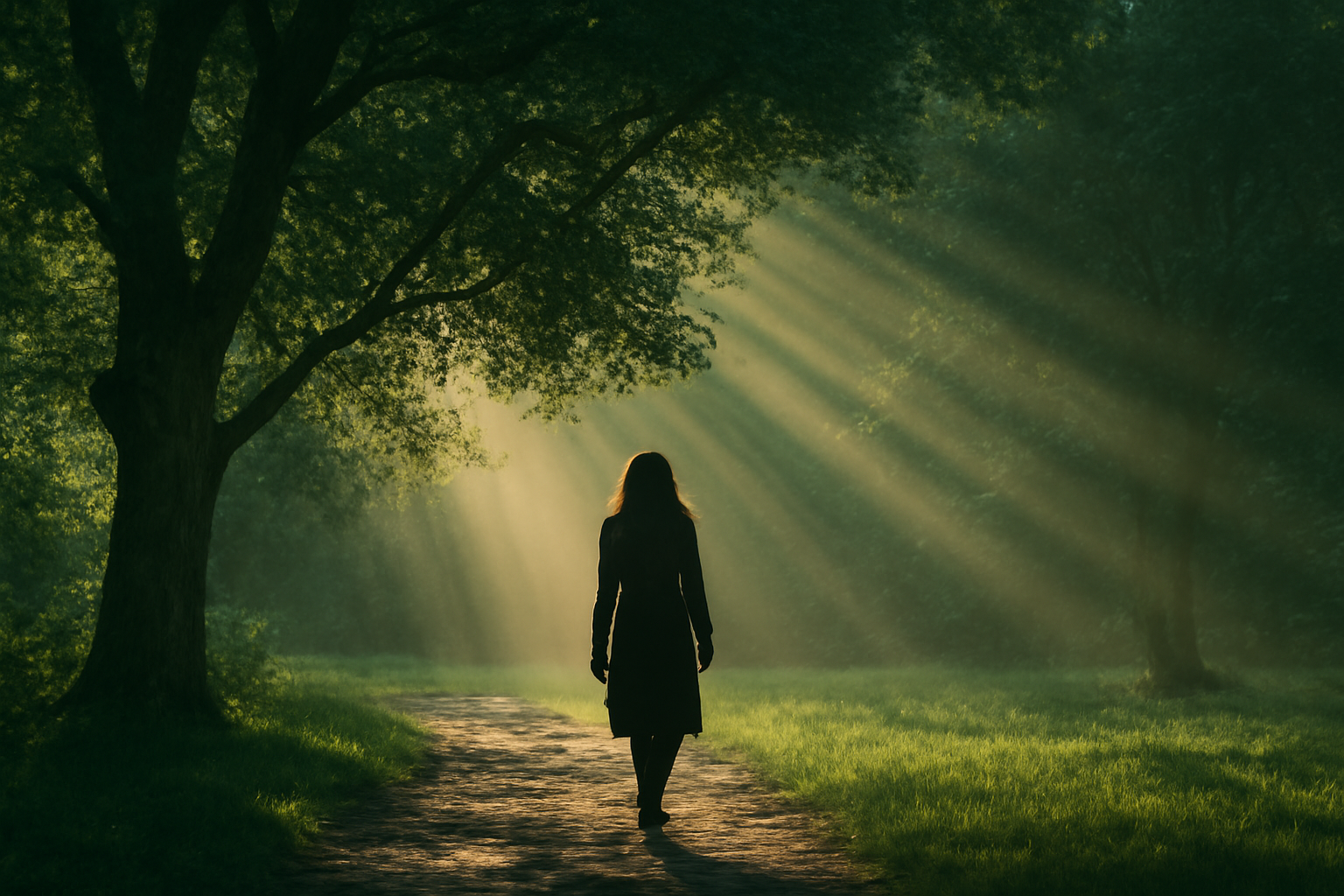
All photographs tell stories, and all stories have light and darkness surrounding them. Soft lights combined with subtle shadows evoke calm, nostalgia, or intimacy, while stark contrasts may elicit tension or drama. Imagine a silhouette moving through fog, a shadowed alley, and a distant light. Instantly, viewers engage their imagination, interpreting the photograph beyond its visual content. Photography becomes more than documentation—it becomes a medium of emotion and narrative.
Conclusion: Elevate Your Photography
Turning light and shadows into creative tools takes practice, patience, and observation. Photography does more than create pictures; it conveys emotion, tells stories, and leaves a lasting impression on its audience. By mastering the interaction of light and shadow, photographers can transform ordinary moments into extraordinary works of art, ensuring every photograph captures not just what is seen but also what is felt.

 Welcome to this vibrant corner of the internet—"Dreamy Grace!" This lifestyle blog is a space for inspiration, creativity, and connection. Feel free to explore, engage, and share your thoughts—after all, this blog is just as much yours as it is ours. Happy reading!









Leave a Comment